Category: Public Policy

  • The Modi government confronting agricultural reform

    The Modi government confronting agricultural reform

    In September the Indian government led by Prime Minister Narendra Modi passed three bills aimed at liberalising agriculture. The laws deregulate trade in agricultural produce and facilitate private investment. Experts have welcomed the reforms in the abysmally unproductive sector that employs over half of India’s workforce but contributes to less than 18 per cent of GDP.

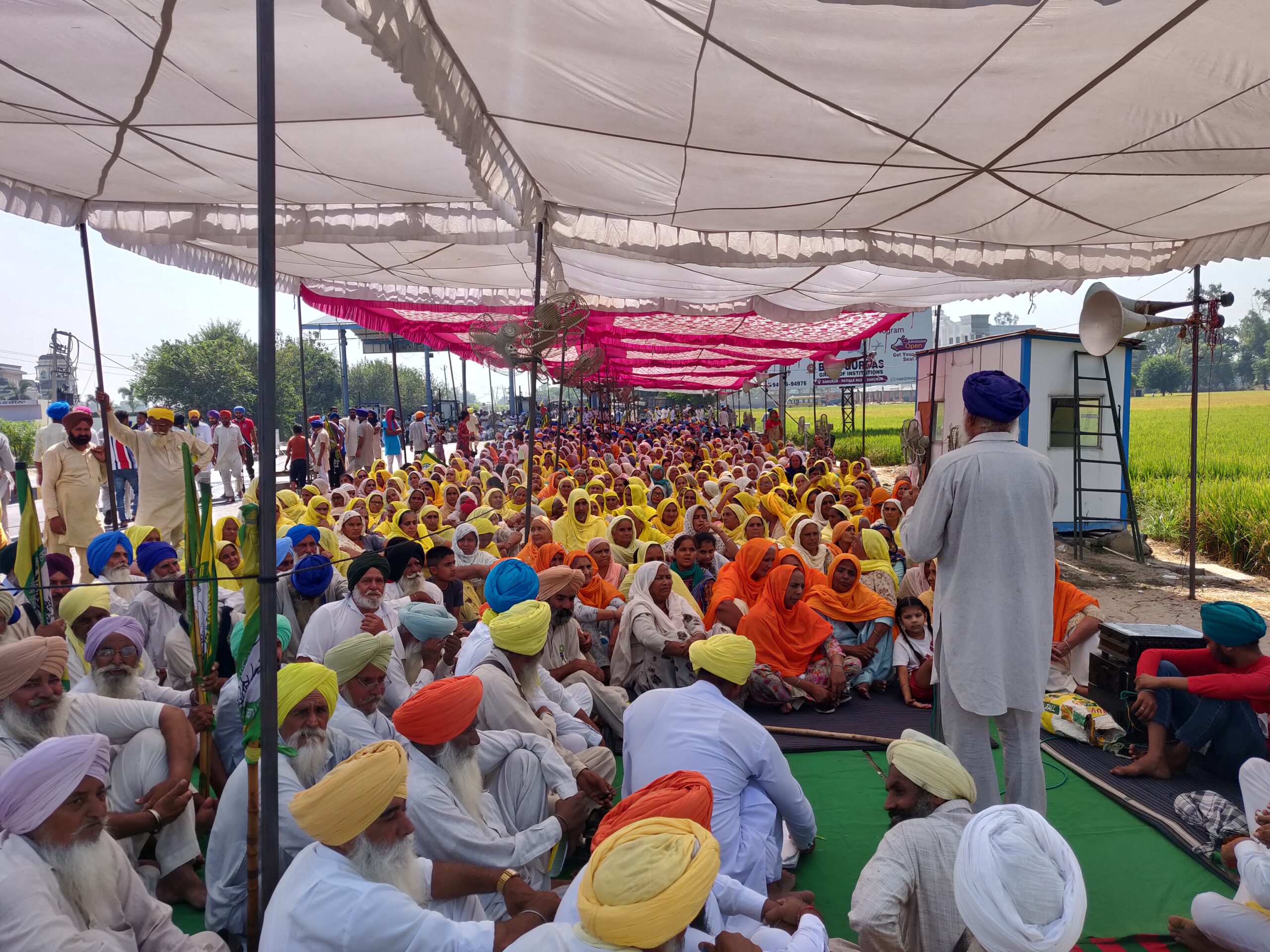
    Thousands of farmers have camped at the outskirts of Delhi and are demanding that the laws be repealed. They are largely from Punjab and Haryana — states benefitting the most from the existing agricultural marketing system. In a country where agriculture is a politically sensitive issue, the agitation has united the opposition against the government, portraying it as “anti-farmer”. Yet many of the political parties opposing the reforms have supported similar bills when they were in power.

    The first of the three bills facilitates contract farming by simplifying the dispute resolution mechanism between farmers and buyers. Contract farming is particularly beneficial to smallholder farmers, as it gives them access to quality inputs and reduces price volatility. The second bill removes stockpiling limits for certain commodities, allowing agro-processors to achieve economies of scale. The third bill abolishes the monopsony of Agricultural Produce Marketing Committees (APMCs) and is the main reason behind the ongoing protests.

    Many states, including Punjab and Haryana, established APMCs and affiliated market yards to provide farmers an assured marketplace to sell their produce in the face of uncertainties. Only APMC-licensed traders were allowed to purchase produce from farmers within APMC limits. This enabled the cartelisation of traders and prevented farmers from receiving a fair price.

    The new bill limits the operations of APMCs to their market yards and allows anyone from the private sector to purchase produce directly from farmers, bypassing the APMCs. This will hopefully allow farmers to avoid middlemen and APMC fees, give them more avenues to market their produce and provide them with better remuneration.

    Although policymaking on agriculture as a whole falls under the domain of states, the central government has justified the new laws citing its constitutional powers to regulate ‘interstate trade and commerce’.

    Punjabi and Haryanvi farmers are protesting because both states have strong networks of APMCs. The Indian government procures most of the wheat and rice grown in these states and compensates farmers at minimum support prices (MSPs). MSPs are announced by the central government seasonally and are significantly higher than domestic and international market prices. The procured grain goes into the Public Distribution System, providing food security for the bottom 67 per cent of India’s population.

    Punjabi and Haryanvi farmers benefit disproportionately from MSP procurement, dominated by wheat and rice. Only 6 per cent of Indian farmers avail MSPs. Yet over 90 per cent of the wheat and rice cultivated in Punjab is procured at MSPs. This assured procurement at above-market prices makes the state’s farmers the most ‘pampered’ in the country.

    Protesters fear that the new laws will wean Indian farmers off selling through APMCs, leading to the dismantling of the APMC–MSP regime, though none of the new laws mention that possibility. The protesters are also demanding a guarantee from the government to make MSPs mandatory for even private sale of agricultural produce. This is bad economics and unfeasible at current MSP levels.

    Farmers from Punjab and Haryana played a crucial role during India’s Green Revolution in the 1960s. MSPs were introduced to provide them a cushion for adopting new high-yielding varieties of crops. They also benefited from decades of state investment in building the best irrigation and road networks in the country. India, once dependent on foreign food aid, is now in food surplus and the second largest food producer in the world.

    This subsidies-based model of agricultural growth has come at a high price. Unchecked subsidies for artificial fertilisers have led to soil degradation across the country. Highly subsidised electricity for agriculture has resulted in the over-extraction of groundwater. Over 80 per cent of water consumed in the country is for agriculture. Owing to the MSP regime, India produces more rice than it consumes, but not enough other essential crops like pulses, oilseeds and fresh fruits to meet its nutritional needs.

    The new laws are an important step towards correcting distortions in India’s agricultural market and are essential for realising the government’s ambitious target of “doubling farmers’ incomes” by 2024. But the Modi government has stumbled in rushing the passage of the bills without building political consensus on the sensitive issue and garnering support from stakeholders. The central government has enabled fears and misconceptions about the laws to flourish among farmers, allowing the opposition and groups with vested interests to unite against the economic reforms.

    The protesting farmers are the richest in the country and do not represent the interests of and challenges faced by the average Indian farmer who stands to benefit from the reforms. Experts have proposed several measures to compensate affected farmers in the short run and enable a transition towards more sustainable agricultural practices. The Modi government must not relent and repeal the laws. Doing so will harm agriculture and dent the prospects of much-needed reforms in other areas.


    This article was originally published on East Asia Forum on 24 December 2020.
  • Why Donating to PM-CARES Isn’t a Great Idea

    Why Donating to PM-CARES Isn’t a Great Idea

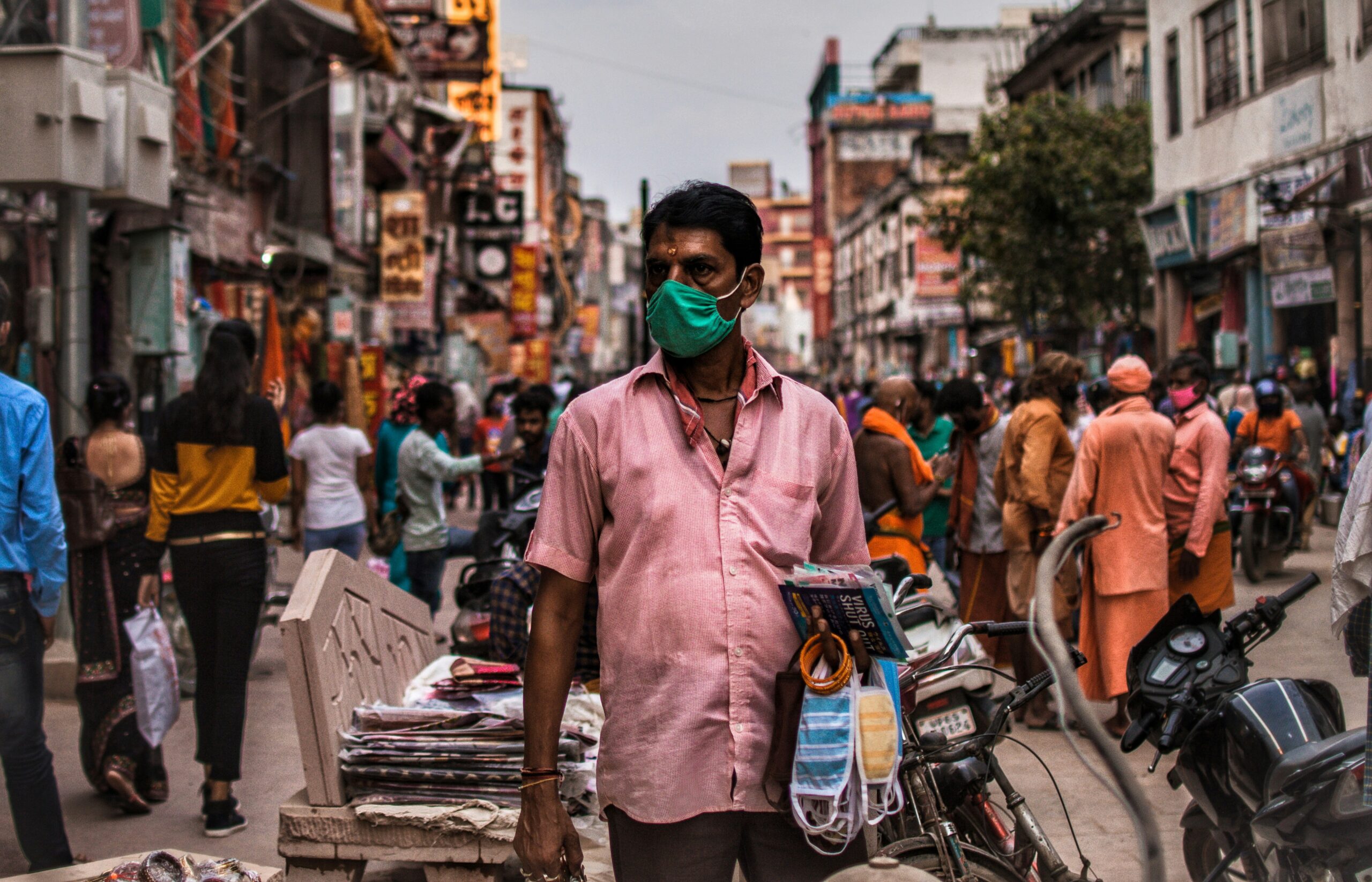
    In light of the ravaging coronavirus pandemic in India, PM Narendra Modi announced the creation of the Prime Minister’s Citizen Assistance and Relief in Emergency Situations Fund (PM-CARES) to deal with COVID-19 and similar emergencies in the future and provide relief to those affected by them.

    The initiative has received tremendous support from all quarters of Indian society including businesses, philanthropists, actors, sportspersons, government employees, and common citizens. Thousands of crore rupees have been contributed to the fund. However, it is yet unclear how the government plans to utilise the money.

    PM-CARES has attracted plenty of controversy since its launch. Critics have targeted the fund’s name, calling it “self-aggrandising.” The Opposition has questioned the rationale behind setting up a separate fund when the Prime Minister’s National Relief Fund (PMNRF) already exists to tackle such situations and holds a substantial unspent amount. These criticisms aside, I want to highlight a fundamental flaw behind the idea of donating money to the government during an emergency.

    My main concern with PM-CARES or any government-managed emergency relief fund is the centralisation of resources and spending authority. In a rapidly evolving situation like COVID-19 when new challenges emerge at the grassroots every day, local government administrations lack capacity and resources to effectively deal with them. By making public appeals to donate to PM-CARES, the union government is consolidating resources at the top without a plan to redistribute them where they are most urgently required. By the time it develops a mechanism for that, it may be too late.

    The civil society, in my opinion, is best suited to help provide emergency relief to the affected during such emergencies. This includes non-governmental organisations (NGOs) and volunteer groups which have deep roots in the communities they serve. Such organisations usually have a better understanding of community needs compared to even local government institutions. Civil society did a better job than governments in serving people in distress during the COVID-19 lockdown in India, providing them food and shelter.

    PM-CARES is attracting potential social funding for civil society organisations, limiting their ability to operate. It may be argued that without the prime minister’s passionate appeals, the society would not have donated so generously in the first place. However, he could have used his charisma for inspiring people to contribute to grassroots organisations doing good humanitarian work. If not that, at least local authorities such as district collectors could have been empowered to seek contributions for use local use.

    Another concerning fact is the inefficient utilisation of corporate social responsibility (CSR) funds which forms a large chunk of the total amount donated to PM-CARES. This includes multi-hundred crore rupee contributions by many prominent corporates. Such largesse during the emergency will no doubt earn them social and political goodwill in the future. However, instead of showing genuine social stewardship in the time of a crisis, they seem to have taken an easy way out.

    Instead of simply donating to PM-CARES, companies could have contributed CSR funds along with their managerial and technological expertise to NGOs solving problems on the ground. The lost opportunity is especially disappointing considering that most large corporates have access to networks of credible civil society organisations and have dedicated CSR teams in place to facilitate such engagements. Lumpsum donations to the fund are also expected to result in unavailability of grants to NGOs in the near future.

    It is highly unlikely that the government will involve civil society in the utilisation of PM-CARES. India lacks a culture of public-private partnerships for social good. Even if their interests may align, governments in India are averse to partnering with the NGOs for delivering public services such as education, healthcare, and various social benefits. This is unlike many developed countries where governments at all levels work hand in hand with the civil society to tackle community-level problems effectively and efficiently.

    There are various reasons for Indian governments’ aversion to partnering with civil society for public service delivery. An ingrained notion of a Mai-Baap Sarkar—a belief that the government alone is responsible for welfare of citizens—prevents governments from outsourcing the responsibility to external entities, despite their own inefficiencies. On the other hand, the NGO sector in India also suffers from an unflattering track record of corruption and misappropriation of funds. Bridging the divide between these two sectors will require establishing effective governance mechanisms to facilitate transparent collaboration.

    Given these systemic flaws, what should a common citizen do to contribute during COVID-19? Donating during a crisis is a noble deed and the society’s generosity will play a big role in helping the country cope with the pandemic. However, instead of funding the government, people should consider donating to credible NGOs which have the immediate capacity to make use contributions. There are many platforms to facilitate that. For public donations, the government should be the recipient of last resort during emergencies.